If you have ever stood in a gym wondering whether you should be on the treadmill or under a barbell, you are not alone. Fitness advice often treats cardio and strength training like competing options, as if choosing one means ignoring the other.
In reality, the most effective fitness routines include both. Each supports different aspects of health and performance, and when balanced properly, they work together to build a stronger, more resilient body.
Whether your goal is fat loss, better performance, or long-term health, combining both types of training usually leads to the best results.
The best place to start is by thinking about your goals. Even then, the answer is rarely just one type of training.
If your goal is fat loss, strength training helps build and preserve muscle while cardio increases overall energy expenditure. If your goal is performance, strength helps you produce force, while conditioning allows you to repeat that effort without burning out. And if your goal is longevity, both are important for maintaining a healthy body.
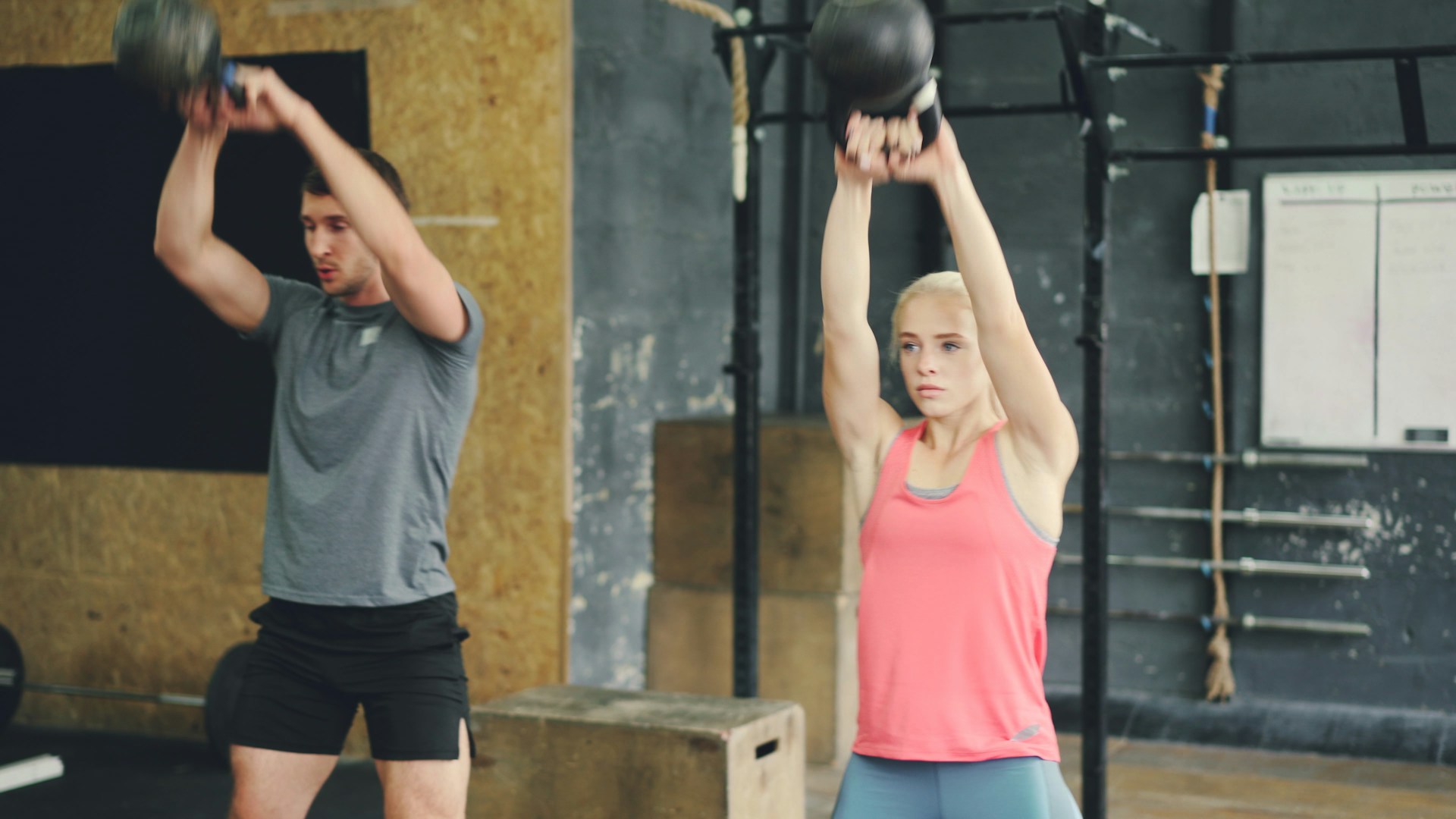
Many people struggle not because they are doing the wrong workouts, but because they feel like they have to choose between cardio and strength training. Strength without conditioning can leave you powerful but easily fatigued. Cardio without strength training can lead to plateaus and a higher risk of injury.
A routine that includes both tends to produce the most sustainable results.

Cardio training plays a key role in improving heart and lung health. It helps your body use oxygen more efficiently, supports healthy blood pressure, and improves endurance.
Beyond health benefits, cardio also improves recovery. A stronger aerobic system helps you recover faster between sets, between workouts, and even between stressful days outside the gym.
Cardio can also support fat loss when it is used appropriately. The key is balance. Long sessions of moderate-intensity cardio without strength work can eventually lead to fatigue, muscle loss, or stalled progress. Cardio works best when it is part of a broader training plan.

Strength training is one of the most important pieces of long-term fitness.
Lifting weights builds lean muscle mass, supports metabolism, and improves bone density. It also strengthens joints, improves posture, and reduces the risk of injury.
Strength has practical benefits outside the gym as well. Everyday activities like carrying groceries, lifting kids, shovelling snow, or moving furniture all rely on strength.
Despite common myths, lifting weights does not automatically make people bulky. Building significant muscle takes time and intention. What strength training reliably does is make people stronger, more capable, and more resilient.
A balanced routine does not require complicated programming. Most people can build an effective training plan by combining three types of workouts.
Balancing strength training, conditioning, and recovery is not always intuitive, especially when your goals include fat loss, performance, or long-term health.
Structured training programs remove the guesswork. Instead of deciding what to do every day, you follow a plan that blends strength work, conditioning, and recovery so each part supports the others.
Many people struggle not because they are doing the wrong workouts, but because they lack a routine they can stick with. Structured training environments, such as group fitness classes, make maintaining consistency much easier.
If you want to see how this type of training builds consistency over time, read: How Group Fitness Classes Build Consistency and Accountability
The goal is not to win the cardio vs strength training debate. The goal is to build a body that is strong, capable, and resilient over time.
Cardio supports your heart, endurance, and recovery. Strength training builds muscle, protects joints, and improves everyday function. Together, they create a balanced approach to fitness that supports both performance and long-term health.
When your training includes both strength and conditioning, progress tends to feel more sustainable, and your overall fitness becomes more well-rounded.