Functional fitness is a type of training that focuses on real-life movements like squatting, lifting, pushing, and carrying. It builds strength, mobility, and coordination in ways that carry over into everyday life, helping you move more efficiently, reduce injury risk, and stay active long term.
What Functional Fitness Actually Means in Practice
Functional fitness is less about individual muscles and more about how your body works as a system.
Instead of isolating one movement at a time, it focuses on patterns you use every day. Things like picking something up off the floor, reaching overhead, or carrying something heavy all involve multiple joints and muscle groups working together.
That is what functional fitness trains.
You are not just strengthening your legs or your arms in isolation. You are developing more efficient movement, better control, and improved coordination. Over time, those improvements show up in small but noticeable ways, like feeling more stable, moving more confidently, or having more energy throughout the day.
Why It Feels Different From Other Workouts
Functional fitness tends to feel different from more traditional gym routines.
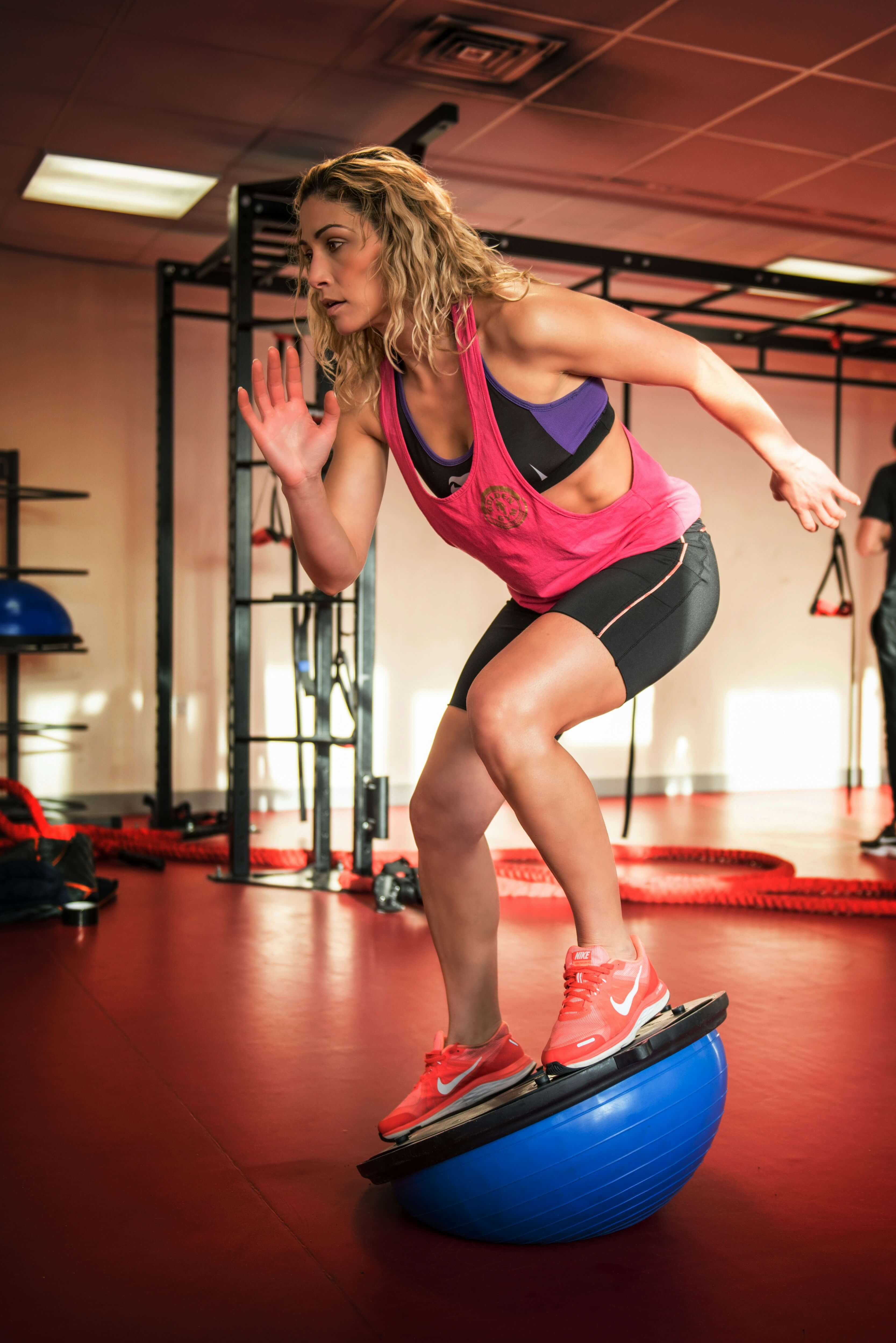
Instead of sitting at a machine and repeating the same motion, you are often moving your body through space, controlling weight, and coordinating multiple actions at once. That might mean lifting, balancing, and stabilizing all in a single movement.
As a result, workouts feel more dynamic. There is more variety, more movement, and more engagement from start to finish.
This is one reason many people prefer structured group training, where workouts are designed to balance strength and conditioning in a more practical way.
How It Shows Up Outside the Gym
Everyday Improvements You Might Notice
Carrying groceries feels easier
Getting up off the floor feels smoother
Climbing stairs feels less tiring
Lifting something awkward feels more controlled
Everyday movement requires less effort
What a Functional Fitness Workout Actually Feels Like
A functional fitness workout usually combines strength and conditioning in a way that feels both challenging and varied.
Strength and Conditioning Combined
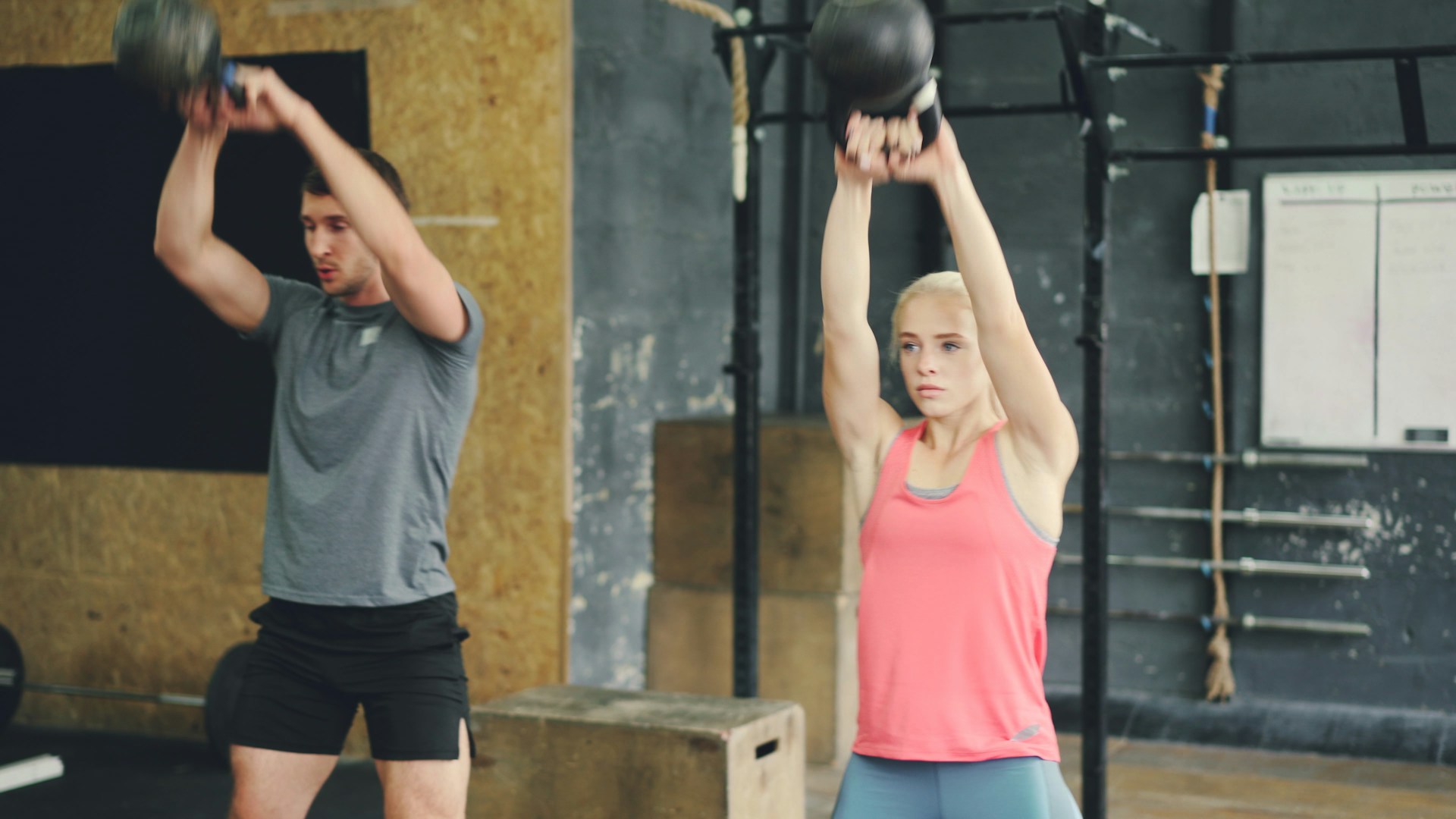
You might start with a strength-focused movement, like squats or presses, and then move into a short conditioning piece that includes a mix of movements and pacing. Some days feel heavier and more controlled, while others are faster and more focused on endurance.
Variety From Session to Session
The pace changes, the movements change, and the focus shifts from session to session.
That variety keeps workouts engaging, but it also helps your body adapt more fully. You are not just building strength or endurance on its own. You are developing both at the same time.
Why People Tend to Stick With It
One reason functional fitness works is that people are more likely to stay consistent with it.
Workouts tend to feel less repetitive, and progress shows up in ways that feel meaningful. You are not just tracking numbers. You are noticing how your body moves, how you feel during the day, and how your energy improves over time.
For many people, the structure also helps.
Instead of trying to plan your own workouts, you follow a program that balances different types of training. This removes a lot of the guesswork and makes it easier to keep showing up.
Functional Fitness vs Traditional Training
In simple terms, functional fitness focuses on how your body moves, while traditional training often focuses on individual muscles.
Functional Fitness
Functional fitness, on the other hand, is designed with that carryover in mind.
Traditional Training
Traditional workouts can be useful for targeting specific areas, but they do not always translate as clearly to everyday movement.
For most people, the difference becomes noticeable over time. Strength starts to feel more usable, movement feels more natural, and daily tasks require less effort.
Getting started with functional fitness does not need to be complicated.
A good starting point is to train a few times per week, focus on basic movements, and keep the intensity manageable while you build confidence. Over time, you can increase the difficulty as your strength and coordination improve.
Many people find it easier to begin with some guidance rather than trying to figure everything out on their own.
If you are not sure where to begin, our team can help you develop a plan that fits your goals and lifestyle.
Functional fitness trains movements you use in everyday life so you can move more efficiently and with better control. It focuses on full-body movement patterns rather than isolating individual muscles.
Is functional fitness better than weight training?
It depends on your goals. Functional fitness improves overall movement and coordination, while weight training is better for targeting specific muscles. Many people benefit from combining both.
Can beginners do functional fitness?
Yes. Functional fitness can be scaled to your fitness level by adjusting weight, intensity, and movement complexity, making it accessible for beginners.
How often should you do functional fitness?
Most people benefit from training two to four times per week. This allows for steady progress while still giving your body time to recover.
Does functional fitness build muscle?
Yes. Functional fitness builds strength and lean muscle, especially when strength-based movements are included, though it focuses on overall performance rather than muscle size alone.
Is functional fitness training good for everyday health?
Yes. Functional fitness improves how your body moves in daily life, making tasks easier, reducing injury risk, and supporting long-term health.
Is functional fitness better than cardio?
Functional fitness and cardio serve different purposes. Functional fitness builds strength, coordination, and mobility, while cardio focuses on endurance and heart health. Most people benefit from combining both for balanced fitness and long-term results.
Can functional fitness help with weight loss?
Yes. Functional fitness can support weight loss by combining strength and conditioning, which helps burn calories while building lean muscle. Consistent training, combined with nutrition, is what drives long-term results.
Final Thoughts
Getting results with any type of training comes down to having the right structure, guidance, and consistency.
For many people, the biggest challenge is not knowing what to do, but sticking with it long enough to see progress. That is where having a supportive environment and a clear plan can make a big difference.
Working with experienced coaches and following a structured program helps take the guesswork out of training. It allows you to focus on showing up, improving over time, and building confidence in your routine.
If you are ready to take the next step, you can explore your options below: